A motorcycle chassis number is one of the most important identifiers for a two-wheeled vehicle and serves as a unique fingerprint for each consulta pelo chassi da moto motorcycle. This number, also called a frame number, is engraved by the manufacturer on the main body of the motorcycle to record essential details about its origin and production. Checking the chassis number is not only important for confirming ownership but also for ensuring that the motorcycle is authentic, legal, and free from any disputes or theft issues. Many riders overlook this critical step, especially when buying a used motorcycle, but understanding how to locate and verify the number can save both time and money in the long run.
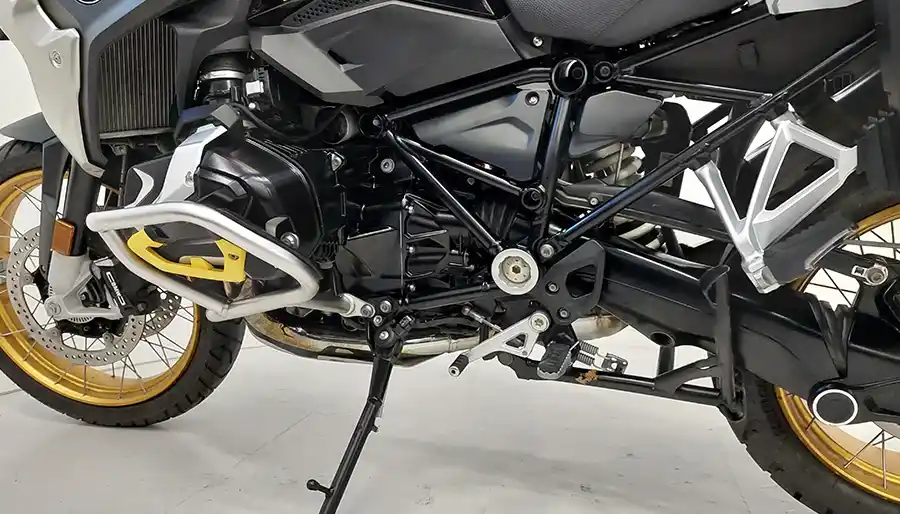
The chassis number is usually found on the motorcycle frame near the steering head, engine mount, or under the seat depending on the model and manufacturer. It is engraved in metal to prevent tampering and to remain readable throughout the life of the motorcycle. When purchasing a second-hand motorcycle, comparing the chassis number with the registration certificate is essential. Any mismatch between the documents and the actual number can indicate fraud, theft, or illegal modifications. Such discrepancies can lead to serious legal problems and financial loss, making it crucial for buyers to carefully inspect the number before completing a purchase.
Manufacturers encode important information within the chassis number including the production year, model type, manufacturing plant, engine specifications, and serial number. This encoding helps authorities, mechanics, and dealerships track the motorcycle’s history and verify its originality. For enthusiasts and collectors, the chassis number is also a way to confirm that a rare or vintage motorcycle is authentic. Checking the number ensures that parts are compatible and that any recalls or service notices can be traced back to the specific frame.
Verifying a chassis number requires both physical inspection and documentation review. It is important to examine the engraving closely and ensure it has not been altered or tampered with. Signs of grinding, repainting, or irregular markings may indicate fraud or theft. Once the number is confirmed physically, cross-checking it with government records, insurance documents, and online databases can provide additional security. These records can reveal whether the motorcycle has been reported stolen, involved in accidents, or has pending liabilities.
Technology has made chassis verification easier than ever. Many online portals allow users to input the chassis number and obtain detailed information including ownership history, registration details, and vehicle specifications. Using these tools before purchasing or selling a motorcycle helps buyers and sellers make informed decisions and ensures that the transaction is legitimate. Regular verification is also necessary when transferring ownership or renewing insurance policies, as most authorities and insurers require accurate chassis information. Understanding and checking the chassis number is essential for protecting the motorcycle, avoiding legal complications, and maintaining transparency in the buying and selling process.